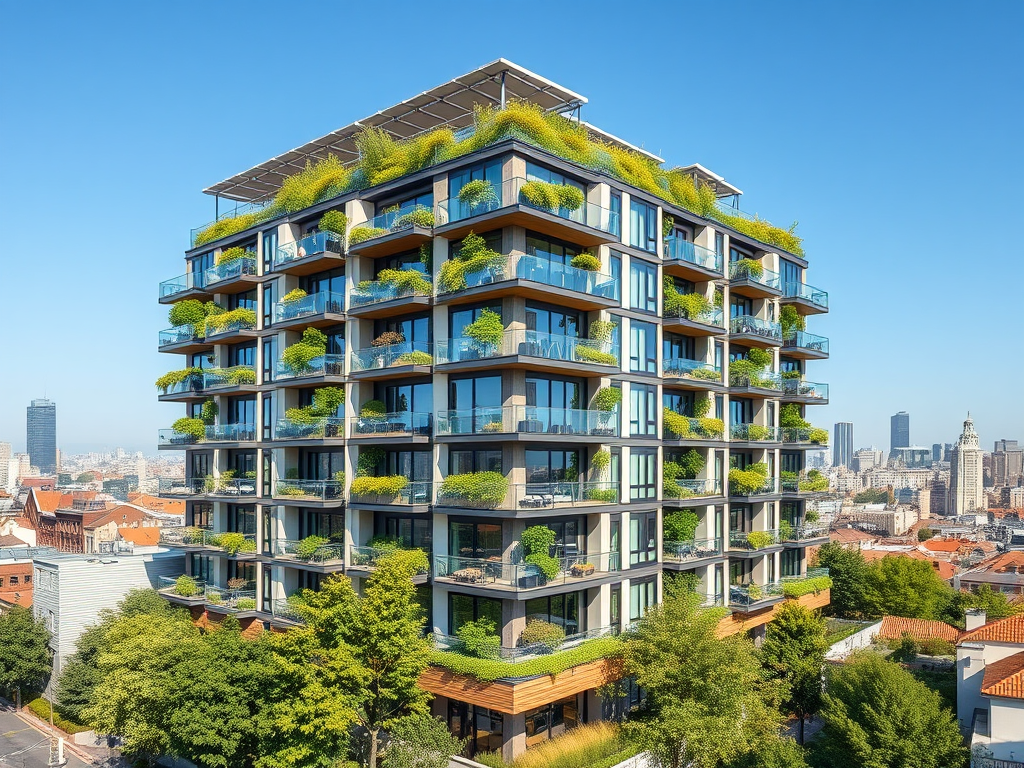

As urban populations continue to grow and environmental challenges become more pressing, architects and developers are increasingly turning to green design principles in multifamily housing. The goal is to create spaces that are not only eco-friendly but also foster a sense of community, improve quality of life, and promote sustainability. By integrating these principles, multifamily developments can provide residents with healthier living environments, lower utility costs, and a smaller carbon footprint—all while supporting the long-term viability of our planet.
What is Green Design?
Green design, or sustainable design, refers to the practice of creating buildings that reduce negative impacts on the environment. This encompasses everything from energy efficiency and water conservation to the use of sustainable materials and the incorporation of renewable energy sources. The focus is not just on reducing harm to the environment, but also on improving the quality of life for residents, making green design an integral part of both ecological responsibility and human-centered living.
Key Green Design Principles in Multifamily Housing
1. Energy Efficiency
One of the most critical aspects of green design in multifamily housing is energy efficiency. From passive design strategies to the installation of energy-efficient appliances and systems, multifamily buildings can dramatically reduce energy consumption.
- High-Performance Insulation: Proper insulation is essential for reducing heating and cooling demands. Buildings with energy-efficient windows, walls, and roofs maintain temperature control while minimizing the need for artificial heating or cooling.
- LED Lighting & Smart Thermostats: Incorporating energy-efficient LED lighting and smart thermostats that adjust automatically based on occupancy and temperature preferences can reduce energy use significantly.
- Solar Panels and Renewable Energy Sources: Many multifamily developments are now integrating solar panels and wind energy systems to generate on-site electricity, reducing reliance on the grid and lowering utility bills for residents.
2. Water Conservation
In urban settings, water conservation is becoming increasingly important, especially in areas prone to drought. Green buildings implement a variety of strategies to reduce water usage.
- Low-Flow Fixtures: The use of low-flow faucets, showerheads, and toilets can significantly reduce water consumption without sacrificing performance.
- Greywater Recycling: Some forward-thinking developments are installing systems that allow residents to recycle greywater (from sinks, showers, and washing machines) for non-potable uses like irrigation and toilet flushing.
- Landscaping with Native Plants: Landscaping with drought-tolerant and native plant species reduces water consumption while enhancing the building’s aesthetic. These plants are better suited to the local climate, meaning they require less maintenance and fewer resources to thrive.
3. Sustainable Materials
The materials used in building and furnishing multifamily housing are crucial to its environmental impact. By choosing materials that are renewable, locally sourced, and non-toxic, developers can reduce a building’s carbon footprint.
- Reclaimed and Recycled Materials: Many developers are opting for reclaimed wood, recycled steel, or other repurposed materials that reduce the need for new resources and minimize waste.
- Non-Toxic Paints and Finishes: Eco-friendly finishes, paints, and adhesives are free from harmful chemicals that can contribute to indoor air pollution, improving indoor air quality for residents.
- Low-Impact Flooring: Using sustainable materials like bamboo, cork, or linoleum instead of traditional hardwoods or synthetic carpets can reduce the environmental impact of construction while providing attractive, durable surfaces.
4. Indoor Air Quality and Natural Light
Green design isn’t just about energy and water efficiency; it’s also about creating spaces where residents feel healthy and comfortable.
- Ventilation Systems: Advanced ventilation systems like heat recovery ventilators (HRVs) ensure that the building has fresh air circulation without losing heat in the winter or cooling in the summer. These systems help regulate indoor air quality, reducing pollutants and improving comfort.
- Daylighting and Biophilic Design: Maximizing natural light in the design of units and common areas not only cuts down on electricity use but also improves residents’ mood and well-being. Biophilic design, which incorporates natural elements like plants, water features, and organic textures, has been shown to reduce stress and improve cognitive function.
- Non-Toxic Materials: Using low-VOC (volatile organic compound) paints, finishes, and adhesives helps ensure that residents are breathing clean, fresh air, which is essential for their health and comfort.
5. Community and Shared Spaces
Green design isn’t just about individual units; it’s also about creating a sense of community within the building. By designing shared spaces that encourage interaction, relaxation, and social connection, developers can enhance the overall resident experience.
- Green Roofs and Gardens: Rooftop gardens or community gardens allow residents to grow their own food, enjoy green space, and even reduce building heat island effects. These areas also serve as communal spaces where neighbors can gather, fostering a sense of belonging.
- Public Transit and Bike Facilities: Incorporating bike storage, electric vehicle (EV) charging stations, and proximity to public transportation options encourages sustainable mobility. It reduces the reliance on personal cars, decreasing traffic congestion and emissions.
- Community Spaces for Social Interaction: Thoughtfully designed communal areas, such as lounges, co-working spaces, or fitness centers, not only contribute to residents’ physical and mental well-being but also build a strong sense of community.
Enhancing the Resident Experience Through Green Design
Green design principles don’t just reduce environmental impact; they can also enhance the resident experience in meaningful ways. When done well, green buildings offer healthier, more comfortable living environments that encourage sustainable lifestyles.
- Lower Utility Bills: By reducing energy and water usage, green buildings can lead to significant savings for residents. This can be a powerful draw for tenants, especially in an era of rising utility costs.
- Healthier Indoor Environments: As mentioned, improved air quality, access to natural light, and noise reduction can all contribute to a healthier living space. Residents of green buildings often report better overall well-being, including improved sleep, reduced stress, and increased productivity.
- Connection to Nature: Green design promotes a connection to the natural world. This can be through elements like biophilic design, outdoor green spaces, or views of nature, which have been shown to reduce stress and improve mental health.
- Community Engagement: Sustainable living often attracts like-minded individuals who value eco-conscious lifestyles. This shared ethos can lead to stronger, more engaged communities, where residents work together on sustainability initiatives, such as composting, carpooling, or organizing local sustainability events.
Conclusion: A Sustainable, Human-Centered Future
Integrating green design principles into multifamily housing is a win-win for both the environment and the people who live in these spaces. By promoting energy efficiency, water conservation, sustainable materials, and better air quality, developers can create buildings that support both ecological sustainability and the well-being of residents. Furthermore, the addition of communal green spaces, sustainable transportation options, and shared amenities fosters a stronger sense of community, enhancing the overall resident experience.
As we look toward the future, green design is no longer just a trend; it is the blueprint for building a sustainable, resilient, and thriving urban future. By putting green principles into practice today, we can ensure that tomorrow’s cities are places where people and the planet thrive in harmony.
 GRANITA
Leave a comment